
Dental impressions and digital scanning
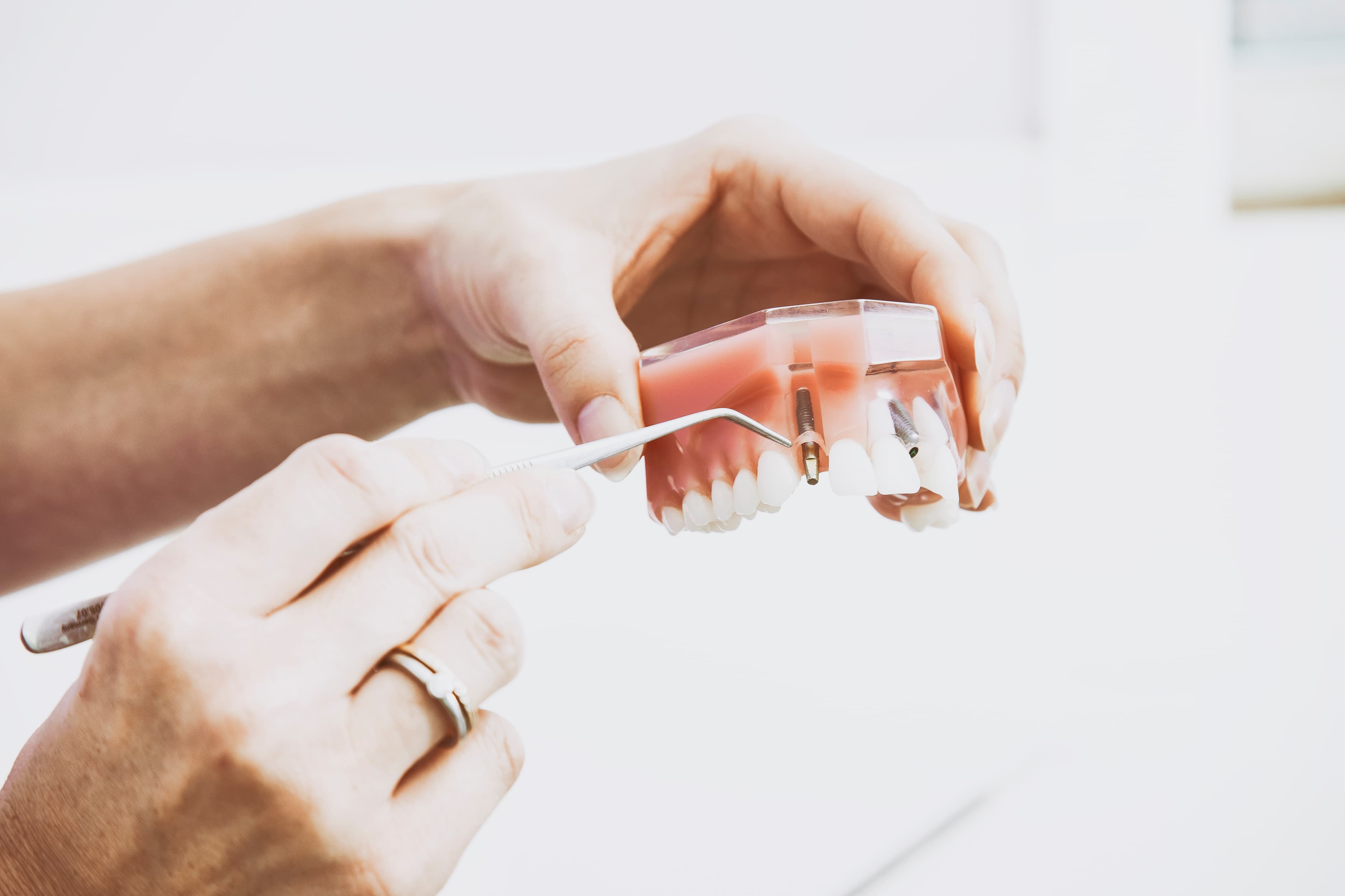
Creating a model of your teeth for planning and making dental restorations. The method may involve impression material or an intraoral scanner, depending on the clinical task.
About Service
A conventional impression records tooth and tissue shape using material held in a tray. Digital scanning captures optical data that can be used as a three-dimensional model.
Both approaches are used in restorative dentistry. The appropriate method depends on the restoration and clinical conditions; a digital format does not automatically make one method preferable.
What the treatment or procedure involves
- Selecting a recording method.
- Taking an impression or digital scan.
- Checking that the data are suitable for the planned restoration.
Additional stages and components
- Custom dental impression tray
Information helps prepare for a consultation and does not replace an individual diagnosis. The dentist determines the procedure, materials and timing after assessment.
Indications
- Models for crowns and dental prostheses.
- Planning the shape and relationship of restorations.
Contraindications
- A pronounced gag reflex may require an adapted impression technique.
- Tell the dentist about reactions during previous impressions.
Advantages
- A record of tooth shape for laboratory or digital work.
- A recording method selected for the clinical situation.
Ready to take the first step towards a perfect smile?
Book a consultation right now. Our specialists will conduct an examination and suggest an optimal treatment plan.