
Oral surgery and gum care
Tooth extraction when indicated, management of impacted teeth, gum surgery and implant removal. Assessment includes whether a tooth can be retained and the condition of the surrounding tissues.
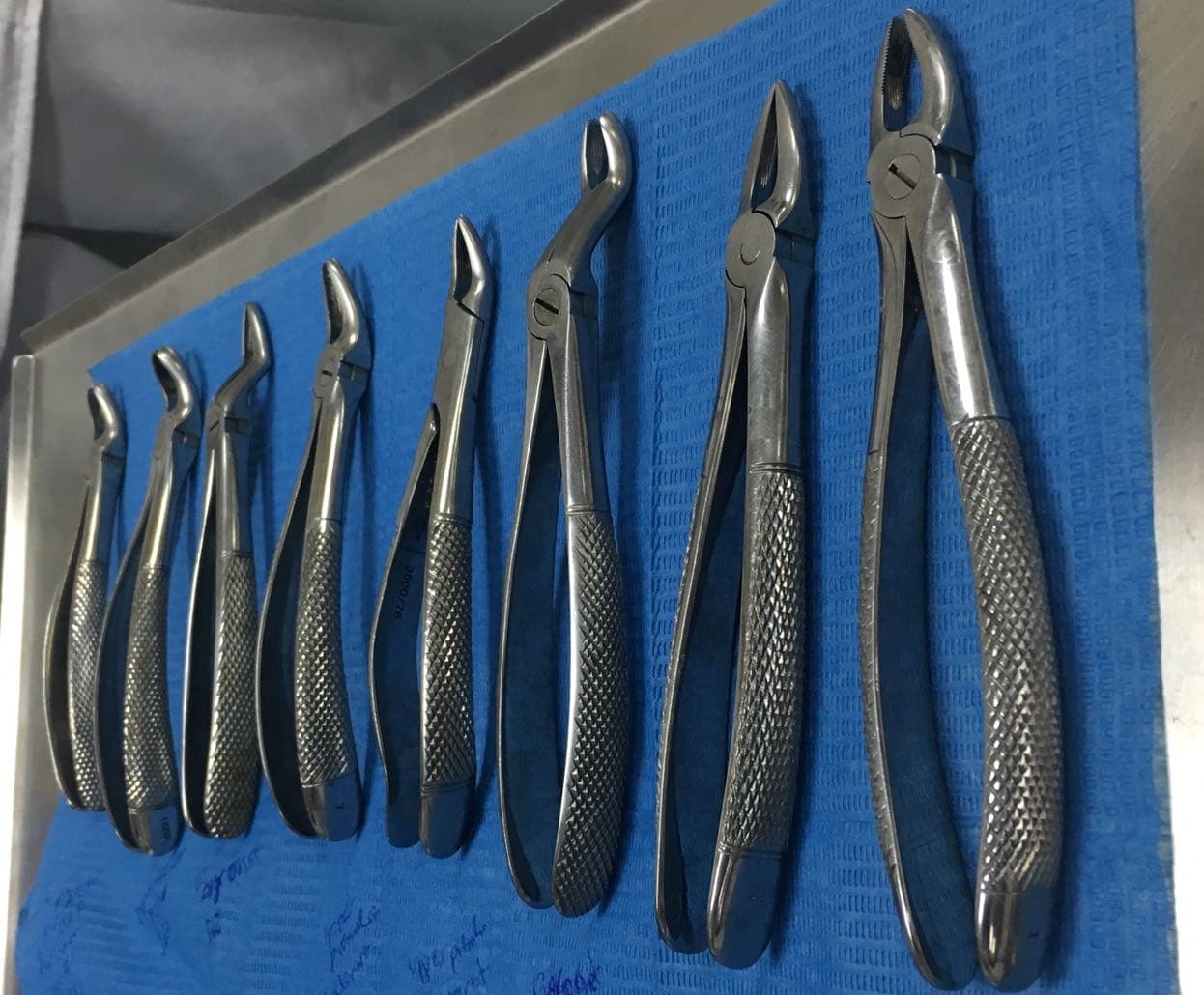
About Service
Surgery may be appropriate when a tooth cannot be predictably restored or is causing complications. A cyst, an impacted tooth or inflammation around an implant does not by itself establish that removal is the only option.
Gum surgery addresses different needs, such as selected soft-tissue defects. The procedure, preparation and follow-up are planned for the individual patient.
Important considerations
- Pain, swelling, bleeding, infection and healing problems may occur after surgery. Specific risks vary with the procedure.
- Pregnancy and medicines that affect blood clotting are not automatic reasons to withhold necessary dental care. Do not stop medicines yourself: the dentist and prescribing clinician should agree on a suitable plan.
Information helps prepare for a consultation and does not replace an individual diagnosis. The dentist determines the procedure, materials and timing after assessment.
Service Types
Tooth extraction
Removal of a tooth that cannot be reliably retained or has another established reason for extraction. The decision follows an assessment of the tooth and available treatment options.
Removal of an impacted tooth
Surgical care when a tooth has not erupted and causes problems or has another reason for removal. Not every impacted tooth needs extraction.
Extraction of a tooth associated with a cyst
Extraction when indicated after assessment of the tooth and an associated lesion. A lesion near the root tip does not automatically mean the tooth cannot be saved.
Gum surgery
Correction of gum tissues for individual clinical needs. Where recession is present, assessment considers root exposure, tissue health and whether surgery is appropriate.
Dental implant removal
Removal of an implant that cannot be retained after assessment. Inflammation around an implant does not mean removal is necessary in every case.
Indications
- A tooth that cannot be retained with restorative treatment.
- An impacted tooth with a clinical reason for removal.
- Gum defects or an implant with an unfavourable prognosis after assessment.
Contraindications
- Conditions that increase bleeding or healing risks require an individual medical assessment and treatment plan.
- Poor plaque control or unprepared tissues may require preparation before elective surgery.
Advantages
- A procedure chosen with alternatives in mind, rather than preventive removal without a reason.
- Separate planning of surgery and subsequent rehabilitation.
Ready to take the first step towards a perfect smile?
Book a consultation right now. Our specialists will conduct an examination and suggest an optimal treatment plan.